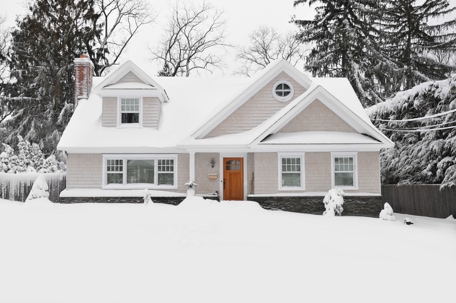
Wichita winters are known for sudden cold snaps, powerful winds, and sharp temperature shifts—conditions that challenge even the best furnaces. When temperatures drop, an efficient furnace replacement is essential to keep your home warm and your energy bills manageable. Protecting your comfort and investment begins with understanding exactly how local weather impacts furnace efficiency and learning the steps you can take to prepare for every Kansas winter.
How Do Wichita Winters Impact Furnace Efficiency?
Winters in Wichita bring intense cold fronts and rapid changes in weather, which stress residential heating systems. These temperature swings and biting winds force furnaces to cycle more frequently and operate for longer periods. Constant cycling not only drives up utility bills but also adds significant wear and tear to valuable components such as motors and heat exchangers. Over time, this increases both maintenance needs and the risk of breakdowns during peak use.
Dry winter air in Kansas compounds the problem. Low humidity inside makes you feel colder, leading many homeowners to set their thermostats higher. Running the furnace longer in already dry air puts additional demand on the system while providing diminishing returns on comfort. In particular, older homes in neighborhoods like Riverside, College Hill, or Delano often struggle the most, as years of shrinking and shifting woodwork may allow more drafts and air leaks than originally designed.
Lastly, the region’s common construction types present their own challenges. Many Wichita homes have aging insulation, single-pane windows, or ductwork that was never designed with current efficiency standards in mind. Even the best high-efficiency furnaces will not provide full value if installed in a building envelope that constantly leaks heated air.
Why Does Furnace Efficiency Drop So Much During Cold Kansas Winters?
Several factors lead to loss of furnace efficiency during Wichita winters, and many result directly from local climate. Dirt and neglect top the list—air filters clog quickly due to agricultural dust and prairie winds, while busy schedules lead many to postpone regular tune-ups. Blocked filters and dirty blower motors restrict air movement, making your system work harder and driving up energy usage.
Air leaks and minimal insulation are another common culprit. Older homes with worn weatherstripping, unsealed attic accesses, and gap-ridden window frames experience significant heat loss. Wind-driven cold air finds its way in, especially on exposed corners and above garages, causing the furnace to run nearly nonstop just to maintain a comfortable temperature.
Thermostat settings also play a critical role in efficiency. A poorly located or outdated thermostat can cause short cycling, extended run times, and uneven heating. In newer homes, open floor plans and multi-zone HVAC systems require careful calibration and attention to scheduling so every room receives adequate, even heat—without overtaxing the system.
What Steps Help Prepare a Furnace for Sudden Cold Snaps in Wichita?
Proactive preparation is the key to keeping your furnace running reliably through surprise cold periods. Scheduling professional maintenance each fall, before the hardest freezes hit, lets you address worn ignition components, check gas connections, and clean sensitive sensors. A trained technician familiar with local systems can spot issues unique to Wichita’s climate and construction styles.
There are important homeowner tasks you can complete as well. When a forecast calls for an Arctic blast, take these preventive steps:
- Swap out furnace filters for clean replacements to prevent airflow restrictions.
- Seal cracks, gaps, and weatherstripping around windows and doors to stop cold drafts.
- Check vents and registers—make sure none are blocked by furniture, rugs, or curtains so heat circulates freely.
- Set programmable thermostats to anticipate colder nights and keep the temperature steady, avoiding last-minute adjustments that cause your furnace to overwork.
- Test carbon monoxide detectors, especially in homes with older units or nearby attached garages.
Taking these steps a few days before temperatures plunge lessens the chance of a breakdown and keeps comfort as predictable as possible, even as the forecast shifts.
If snow or ice accumulates quickly, check for blockages of your furnace exhaust vent and intake outside. Blocked pipes can lead to system shutdown or even carbon monoxide buildup inside. After heavy weather, a walk around your home to clear these critical points can prevent costly emergencies and restore normal operation faster.
What Are the Best Insulation & Weatherization Options for Wichita Homes?
Effective insulation and weatherization help preserve heated air and support consistent furnace performance. Wichita homeowners should prioritize attic insulation first, as heat naturally rises and escapes through the roof. According to Department of Energy guidelines, area homeowners benefit from at least R-38 attic insulation; many older residences fall far short of this standard and see noticeable improvements after an upgrade.
Besides attics, consider adding blown-in or batt insulation to walls, floors above unheated spaces, and crawlspaces—especially in homes built before energy-efficient construction codes. Each layer of insulation reduces heat demand on your furnace, so it doesn’t have to run as steadily during cold spells. Sealing air leaks with weatherstripping and caulk around doors, windows, and attic hatches adds another quick, affordable boost.
Weatherization extends beyond the basics. Adding storm windows or doors, upgrading to insulated garage doors, and using draft snakes can further reduce energy loss. For the greatest impact, request a home energy audit: this comprehensive assessment identifies hidden inefficiencies in insulation, air sealing, and system operation so that each investment you make goes further in lowering heating costs and improving comfort.
How Do Furnace Filters & Air Filtration Affect Heating Efficiency in Wichita?
The right air filter and regular replacement make a dramatic difference in furnace efficiency—especially in Wichita, where dust, pollen, and harvest debris accumulate faster than in many other regions. When furnace filters clog with airborne particles, airflow slows, and the system must work harder to move heat through the house. This can mean longer cycles, higher bills, and more frequent repairs over time.
How often you should change filters depends on your home’s location and your lifestyle. Households with pets, children, or allergy sufferers often need to replace filters monthly—even more often during the height of the Kansas harvest season. In older homes or areas with significant road dust, filters can fill up much faster than manufacturer recommendations suggest.
Choosing the correct filter type matters as well. While higher MERV-rated filters (8–12) catch finer particles, they also restrict airflow in furnaces not designed for them. Consulting a reputable local technician helps you select the best filter to balance air cleanliness and system longevity, keeping your home’s air fresh and your furnace running at top efficiency all season.
Which Maintenance Tasks Keep Furnaces in Wichita Running Efficiently?
Regular furnace repair before winter’s arrival helps prevent breakdowns and keeps heating costs down. An annual professional tune-up should include cleaning burners, inspecting ignition systems, lubricating moving parts, checking gas connections, and testing safety controls. These steps catch common issues like cracked heat exchangers or compromised sensors before they become costly emergencies.
Homeowners should not neglect regular filter changes and cleaning around vents or air returns. Dust and debris build up quickly in Wichita’s dry climate, so keeping these passages clear maintains healthy airflow. If you notice odd noises—like banging, rattling, or buzzing—address them immediately. Early attention prevents minor issues from escalating and helps you avoid surprise repairs during winter’s coldest months.
If your home includes a humidifier, clean or replace its filters and check for proper operation. Dry air not only feels colder but also places more strain on the furnace. Consistent care for every part of your HVAC system includes these components to ensure everything works together for efficient heating during long winters.
When Should Wichita Homeowners Schedule a Furnace Checkup—& What’s Different Here?
An annual furnace checkup in early fall is the simplest way to ensure heating reliability in Wichita’s unpredictable winters. Local service providers bring extra value by understanding common building materials, home ages, and harsh outdoor conditions unique to the area. They can spot known trouble areas—such as poorly sealed ductwork, oversized equipment, or malfunctioning sensors—before they turn into winter problems.
What should you expect from a quality service call? Beyond a filter change, a professional technician should check burners, ignition systems, blower motors, heat exchangers, and test the entire system’s operation. They’ll use diagnostic tools to verify efficiency, search for gas leaks or carbon monoxide issues, and calibrate controls according to the specific equipment model in your home.
Working with a provider holding certifications for Trane and Mitsubishi Electric products ensures recommendations are based on hands-on experience—not just textbook knowledge. Transparent communication about what’s checked and why, combined with written reports on your system’s condition, puts you in control of repair or upgrade decisions. A history of service in the Wichita community adds intangible peace of mind, as your provider understands the weather and construction style factors that affect heating performance in your neighborhood.
What Warning Signs Suggest Furnace Inefficiency in Wichita Homes?
Several symptoms point to a furnace that’s working harder than it should. Uneven heating is common—cold bedrooms and overheated living areas may indicate duct leaks, miscalibrated thermostats, or filters in need of replacement. You should also watch for a spike in utility bills without any obvious change in weather or thermostat settings, as this often signals a hidden efficiency problem driving up your costs.
Unusual noises, persistent or new odors, and short-cycling—where your furnace turns on and off rapidly throughout the day—are reasons for concern. Each sign may suggest issues like a malfunctioning blower, dirty sensors, or airflow restrictions, all of which reduce system efficiency and can lead to breakdowns if not corrected promptly.
Also, check your pilot light or ignition system regularly. A yellow flame or flickering pattern could signal incomplete combustion or airflow problems, which may be both costly and hazardous. Addressing these problems early with a trusted service provider keeps your equipment running efficiently and extends its life through the harshest weather.
How Do Extended Warranties & Financing Options Make Furnace Upgrades Easier?
Upgrading to a modern, energy-efficient furnace or scheduling timely repairs often requires a significant investment. For many in Wichita, extended warranties and accessible financing remove roadblocks that might delay important improvements. Warranties cover essential parts and repairs for longer periods, easing concerns about unexpected expenses and making it less risky to choose more efficient, advanced systems.
Financing options provide predictable monthly payments, allowing you to tackle insulation, weatherization, or a new furnace without straining your budget. These programs often pair with rebates or incentives for high-efficiency upgrades, providing even greater savings in the long run. If your system qualifies, you can replace outdated or unreliable equipment before it becomes an emergency, with costs spread out comfortably over time.
Select a provider that clearly explains warranty coverage, eligibility, and repayment terms. When you know what’s included and for how long, you can make informed decisions and invest in improvements that pay back in comfort and lower bills over Kansas winters for years to come.
What Makes Moody Heating & Air Conditioning Wichita’s Trusted Partner for Furnace Efficiency?
Moody Heating & Air Conditioning stands apart in Wichita thanks to more than four decades of dependable HVAC service. Our dual distinction as a Trane Comfort dealer and Mitsubishi Electric Diamond Contractor means homeowners work with a team known for quality installations and genuine care. We prioritize continual training, so every visit reflects the latest in technology and local insulating and heating challenges.
Trust grows through transparency. When we visit your home for a maintenance check, upgrade, or filter change, we provide upfront pricing and clear explanations, so you always know your options before making any decisions. Our team’s experience with both traditional Kansas homes and new builds lets us tailor the right recommendations, whether your needs involve repairs, energy-efficient system upgrades, or improved indoor air quality.
Accessible financing and extended warranties allow our customers to invest in long-term comfort without unexpected financial barriers. If you want greater furnace efficiency and reliable warmth no matter what the Kansas winter brings, contact Moody Heating & Air Conditioning at (316) 444-1019. We’re committed to keeping Wichita homes warm, efficient, and comfortable every season.