If your Wichita home was built decades ago, the idea of tearing out an old furnace and putting in a new one can feel like opening a can of worms. You might picture hidden problems in the walls, crumbling ducts, or an installer telling you halfway through the job that “this is going to cost more.” That is a lot to worry about when you just want steady heat and manageable energy bills.
Older and historic homes in neighborhoods across Wichita have charm that newer construction cannot copy, but they also come with quirks behind the drywall. Original ductwork, added rooms, and partial upgrades over the years all affect how a new furnace will perform. When those details are not addressed, homeowners often end up with cold rooms, noisy systems, and higher bills than expected, even with brand new equipment.
At Moody Heating & Air Conditioning, we have been working on furnaces in Wichita and surrounding areas for more than 45 years. Many of the homes we visit were built long before central heating and cooling were standard, and we have seen what happens when a “simple swap” does not account for an older home’s layout and infrastructure. In this guide, we walk through how to prep an older Wichita home for furnace installation so you can avoid surprises and get the comfort you are paying for.
Why Furnace Installation Is Different In Older Wichita Homes
Older Wichita neighborhoods are full of homes that have been lived in and worked on for generations. You see original bungalows with stone basements, mid-century ranches with low-slung roofs, and two-story homes that have had porches enclosed or attics finished over time. Behind the walls, the ductwork, wiring, and insulation often tell a story of several eras of upgrades layered on top of each other.
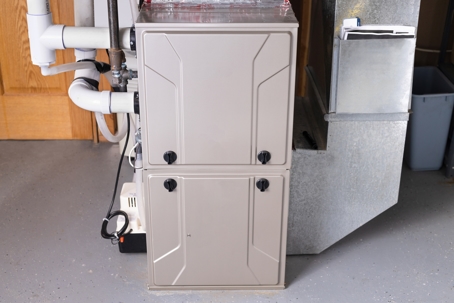
Many of these homes started with gravity furnaces, floor furnaces, or minimal duct systems that were never designed for today’s expectations of even, quiet heat in every room. Later, a forced-air furnace may have been added with the simplest possible duct layout, often a few main trunks and a single large return grille in a hallway. When that older furnace is replaced without looking closely at the existing ducts and overall heat loss, the new unit is forced to work through the same bottlenecks.
Homeowners understandably assume that if a certain size furnace has “worked” for decades, putting in the same or a bigger unit will only improve things. In practice, oversizing and poor airflow are two of the main reasons new furnaces short-cycle, run loudly, or leave upstairs rooms chilly in older homes. The equipment gets blamed, but the real issue is usually the way air moves, or fails to move, through an aging system and drafty structure.
Because we have spent over 45 years working in Wichita’s older and historic homes, we know that a successful furnace installation starts by understanding the house itself. When we come out to look at a project, we are not just measuring the footprint of the existing furnace. We are looking at the layout, the duct paths, the envelope, and the additions that have been made over time so the new system fits the building, not just the available floor space.
Start With A Whole‑Home Heating Assessment, Not Just The Furnace Box
Good prep for furnace installation in an older home begins long before we roll a new unit through your front door. The first step is a whole-home heating assessment. We walk through your property, look at the current system, and talk with you about rooms that feel too hot, too cold, or drafty. This conversation helps us focus on the real comfort problems, not just the age of the equipment.
During that visit, we look closely at where the existing furnace is located, how the ducts leave the unit, where supplies and returns are placed, and how much of the ductwork is visible in basements, crawlspaces, or attics. We pay attention to signs of past changes, such as capped-off ducts, new additions that may not have proper heating runs, or rooms that clearly struggle to keep up in winter. We also note window types, attic access, and other clues about insulation and air leakage.
From there, we think in terms of heating load, which is the amount of heat your house actually needs on a cold Wichita day. In many older homes, the existing furnace was oversized to “be safe,” especially if it was installed before energy prices rose and comfort expectations increased. Oversized furnaces often roar to life, blast hot air, then shut off quickly, a pattern called short cycling. This can leave some rooms uncomfortable and puts extra stress on components like the heat exchanger and blower.
As a Trane Comfort dealer, we have a wide range of furnace capacities to choose from, so we are not forced to shoehorn a single size into every house. We use what we learn during the assessment to help select a system that fits the home’s true needs as closely as possible. In some older homes, that may even mean stepping down in size from the existing furnace once we account for any insulation or window improvements that have been made over the years.
Evaluate Existing Ductwork & Return Air In Older Homes
Ductwork is one of the biggest swing factors in how well a new furnace will perform in an older Wichita home. Many houses have original or very old ducts that were sized for a different era of equipment, or they have been altered over the years in ways that restrict airflow. When ducts are too small, leaky, or poorly arranged, even the best furnace cannot deliver comfortable, even heat.
One issue we see often is limited or missing return air. A typical older setup might have one large return grille in a central hallway. That arrangement forces air from distant rooms to find its way back through door gaps and cracks, which is inefficient and can cause those rooms to feel stuffy or cold. Adding a properly sized return in a problem area, such as a second-floor hallway or a far bedroom, can make a noticeable difference in comfort without touching the furnace itself.
Supply ducts can be a challenge too. In basements and crawlspaces, we frequently find uninsulated metal ducts that lose heat before it ever reaches the far rooms, or flex ducts that have sagged and kinked over time. In some cases, we see supply runs that were added for new rooms but tapped into undersized trunks, leaving the whole system starved for airflow. The result is higher static pressure, which is the resistance the blower must push against, and that can shorten the life of the blower motor and increase noise.
During our prep work, our trained technicians examine accessible ducts, look for signs of leakage at joints, and evaluate whether the overall layout can support the airflow that a modern furnace needs. We may recommend sealing and insulating reachable ducts, correcting obvious restrictions, or in some cases replacing sections that are damaged or unsafe. In homes where the ducts are buried or impossible to fix cost-effectively, we sometimes talk about using ductless Mitsubishi systems to handle difficult areas instead of forcing air through a compromised duct network.
This level of duct and return air evaluation is not about adding extra work for its own sake. It is about making sure the new furnace you invest in has a fair chance to perform. When ducts and returns are brought closer to what the equipment expects, the system often runs more quietly, rooms feel more even, and the furnace does not have to fight against high pressure or big leaks just to do its job.
Check Insulation, Drafts & Windows Before You Choose Furnace Size
The condition of your home’s envelope, meaning insulation, air sealing, and windows, has a huge influence on how hard your furnace has to work. Many older Wichita homes still have little or no insulation in parts of the attic, crawlspace, or sidewalls. Original single-pane windows with older frames can also allow a lot of heat to escape. All of that adds up to more load on the heating system.
When we walk through an older home, we look for clues like uneven snow melt on the roof, attic hatches without weatherstripping, and basement rim joists that are bare instead of insulated. Drafts around windows and doors, or rooms that feel chilly even when the thermostat is satisfied, are all signs that heat is slipping out faster than it should. These conditions do not mean a furnace replacement is a bad idea, but they do affect how we think about sizing and expectations.
A common assumption is that the answer to a drafty house is a bigger furnace. In reality, simply upsizing the equipment usually leads to more short cycling and temperature swings, not better comfort. A more effective approach is to size the furnace appropriately, then look for reasonable opportunities to reduce heat loss. For example, sealing obvious attic air leaks and adding insulation over the top floor can sometimes make as much difference to comfort as going up a furnace size, at a fraction of the long-term operating cost.
Because we have seen many combinations of old construction and partial upgrades, we can help you decide what is realistic to address now and what we should plan around. If you know you will be replacing windows or improving insulation soon, we factor that into our recommendations so the furnace you install today still makes sense after those improvements. The goal is a right-sized system that works with your home, not against it, as you make envelope upgrades over time.
Make Sure Gas Lines, Venting & Electrical Are Ready For A Modern Furnace
In older homes, the connections that serve the furnace are just as important as the ducts. Gas lines, venting paths, and electrical supply often date back many decades and may not be set up for how modern furnaces operate. Part of proper prep is confirming that these utilities can safely support the new unit you plan to install.
On the gas side, we look at the size and material of the existing piping, how many appliances are connected, and where shutoff valves are located. Over the years, additional gas loads such as water heaters, stoves, or fireplaces may have been added without rechecking whether the main line can support peak demand. If the piping is undersized, you can see issues like poor combustion, nuisance shutdowns, or safety concerns. Planning any needed gas line adjustments ahead of time helps keep installation day from turning into a scramble.
Venting is another area where modern furnaces differ from the older units they replace. Traditional atmospheric furnaces relied on natural draft up a masonry chimney or metal flue, which may now be lined with aging tile or metal. High efficiency furnaces use sealed combustion and typically vent through PVC pipes that run out a wall or roof. Sometimes that means the old chimney is no longer used for the furnace, or it may need to be evaluated if other appliances still rely on it.
We also check for adequate combustion air, especially in tight mechanical rooms, closets, or basements that have been partially sealed or finished. Furnaces that do not get enough fresh air can burn poorly and create unsafe conditions. Modern sealed combustion units draw air from outside through dedicated piping, which can help solve this issue, but the venting path still has to be planned correctly.
On the electrical side, older homes may have service panels that are already close to full or have circuits that were never intended for today’s furnace blower and control boards. We verify that there is an appropriate circuit for the new unit, with proper grounding and shutoff. If adjustments are needed, we talk through those steps with you before installation so there are fewer surprises from an electrician on the day of the job.
After decades of working with Wichita’s permitting and inspection processes, we design our installations with these utility details in mind. By confirming gas, venting, and electrical readiness ahead of time, we can give you a much clearer picture of scope and cost before we schedule your furnace replacement in an older home.
Get A Clear Furnace Plan For Your Older Wichita Home
Replacing a furnace in an older or historic Wichita home does not have to be a leap into the unknown. When you take the time to assess the whole house, from ducts and returns to insulation, gas lines, and access, you turn a potentially stressful project into a planned upgrade. The payoff is a system that can run more quietly, heat more evenly, and fit the way your home is actually built.
Many of the checks in this guide are difficult to do on your own, especially in a house that has seen multiple generations of changes. Our team at Moody Heating & Air Conditioning walks through this process regularly in Wichita and surrounding communities. We know where older homes tend to surprise people, and we build those realities into the plan from the start. If you are thinking about a new furnace, we can visit your home, review your current setup, and outline a clear path to installation that fits your budget and goals.
Call (316) 444-1019 to schedule a furnace evaluation for your older Wichita home.